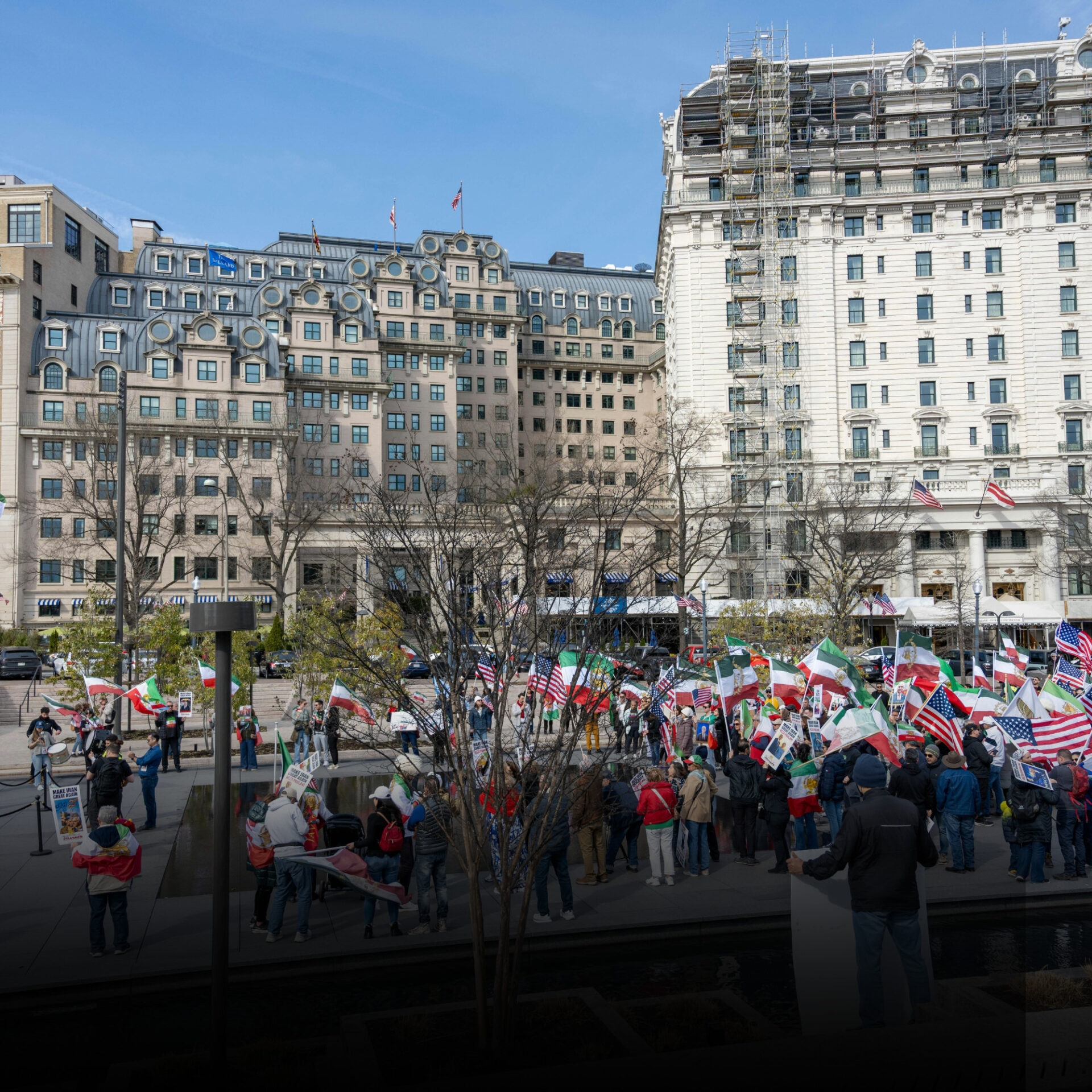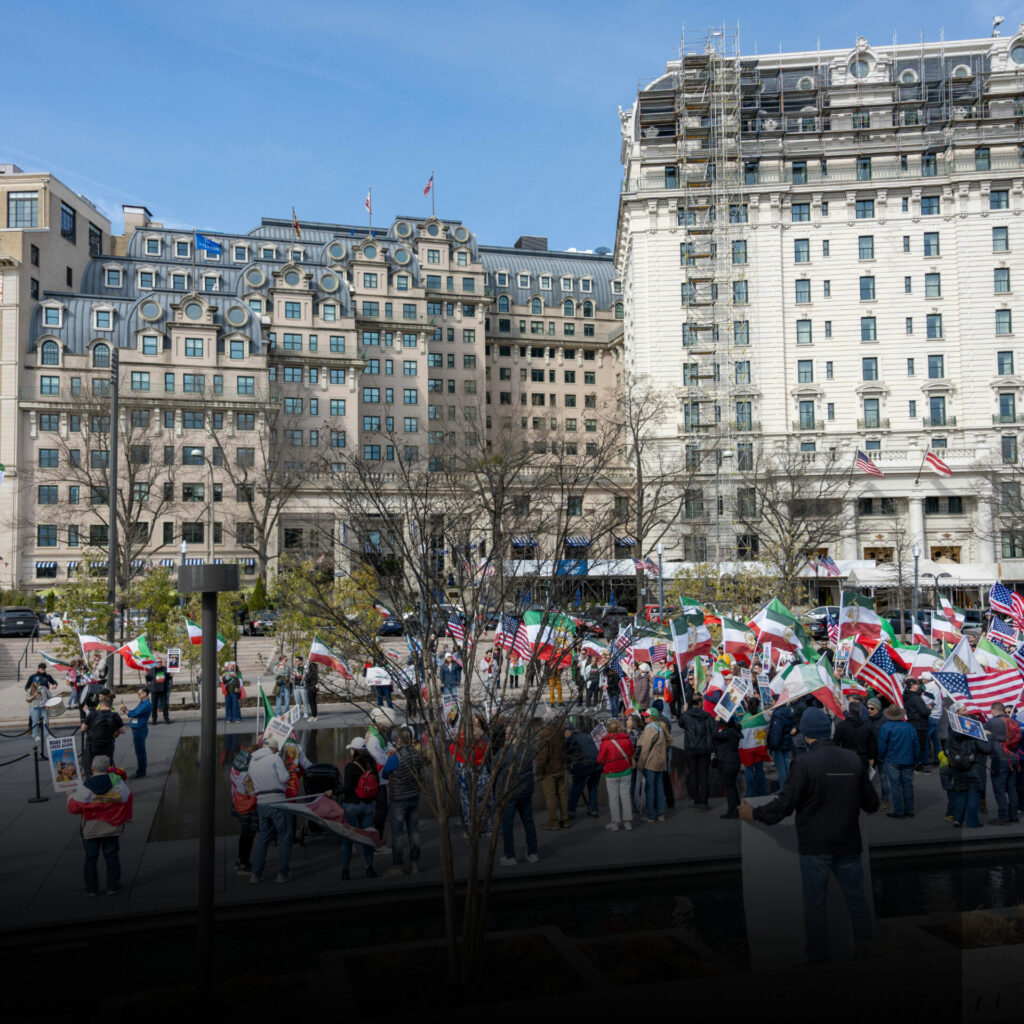
The US–Iran war in 2026 is a real and ongoing conflict right now, and it has become one of the most serious global crises. Here’s a simple, clear update so you understand what’s happening.
What started the war?
The conflict began in February 2026 when the United States (with Israel) launched major airstrikes on Iran.
Iran responded with missiles, drones, and attacks on US bases and allies across the Middle East.
It quickly escalated into a wider regional war.
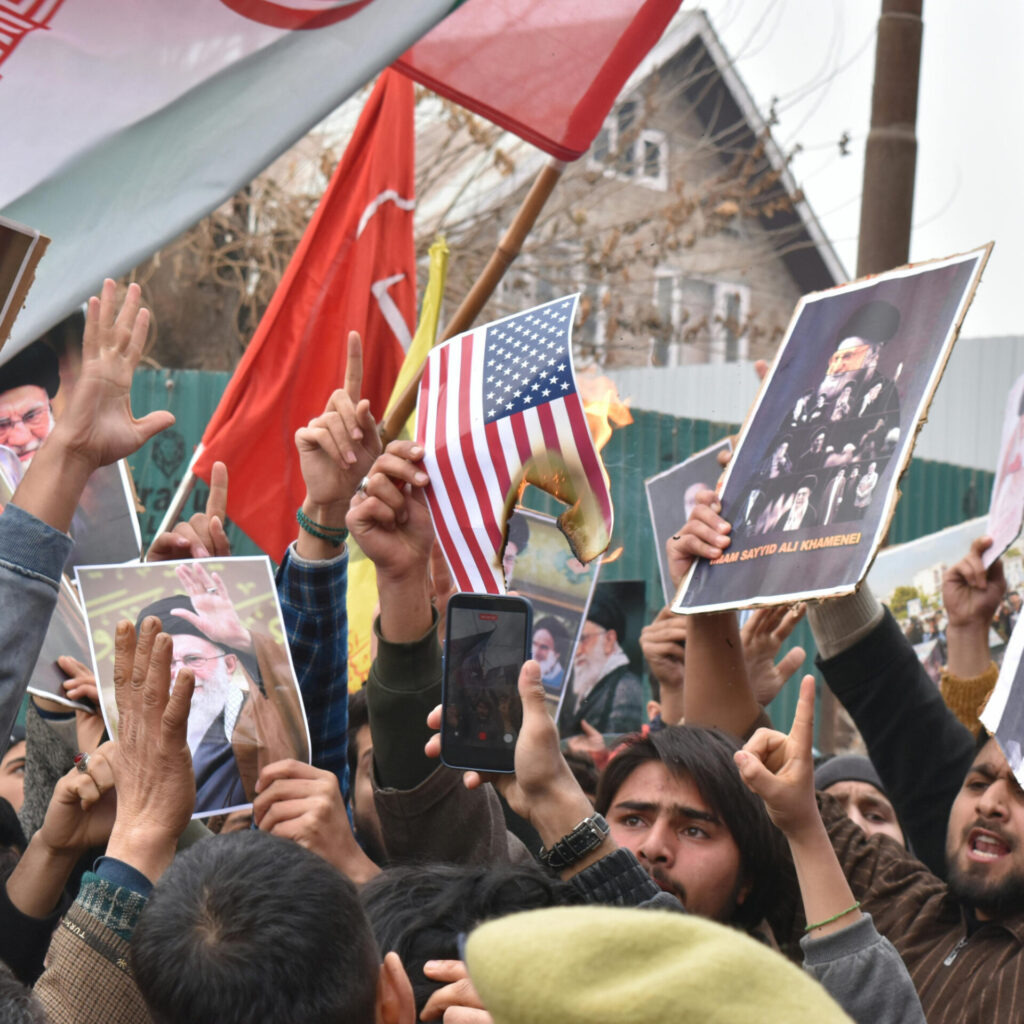
What is happening right now (April 2026)?
Iran has closed the Strait of Hormuz, a key global oil route.
The US has blockaded Iranian ports, increasing tensions.
Iranian forces have fired on ships near Oman, raising fears of wider conflict.
A fragile ceasefire may end soon, and fighting could restart.
Global impact
Around 20% of the world’s oil passes through Hormuz, so disruption is huge.
Oil prices have surged, affecting petrol, transport, and inflation worldwide.
The global economy is slowing, with growth forecasts reduced.
🇵🇰 Pakistan’s role
Pakistan is not part of the war, but it is playing a mediator role in peace talks.
Working with countries like Egypt, Saudi Arabia, and Turkey to reduce tensions.
Pakistan has emerged as a key, unlikely mediator and diplomatic broker in the 2026 Iran-US war, focusing on
de-escalation, shuttle diplomacy, and brokering a temporary ceasefire. Leveraging strong ties with Washington and Tehran, Pakistani Army Chief General Asim Munir led efforts to secure a two-week pause and host talks, aimed at preventing regional instability that could affect Pakistan’s border and economy.
Simple Summary
The war is ongoing but unstable (not fully all-out, not fully peaceful).Tensions are very high, especially in the Middle East.The biggest risk right now is the restart of the heavy fighting oil crisis, wider regional war.